NEWS
 2025.03.03
 Industry News
When you’re talking about vehicle performance, safety, and ride smoothness, the hub on a wheel, the wheel hub bearings, and the wheel bearing hub assembly are often overlooked—but they’re essential. These components play a critical role in how your wheels spin, how the car handles loads, and how well your vehicle stays aligned over time. In this article, we’ll break down what they are, how they work, and why they matter more than you might think. Know More
Understanding the Hub on a Wheel
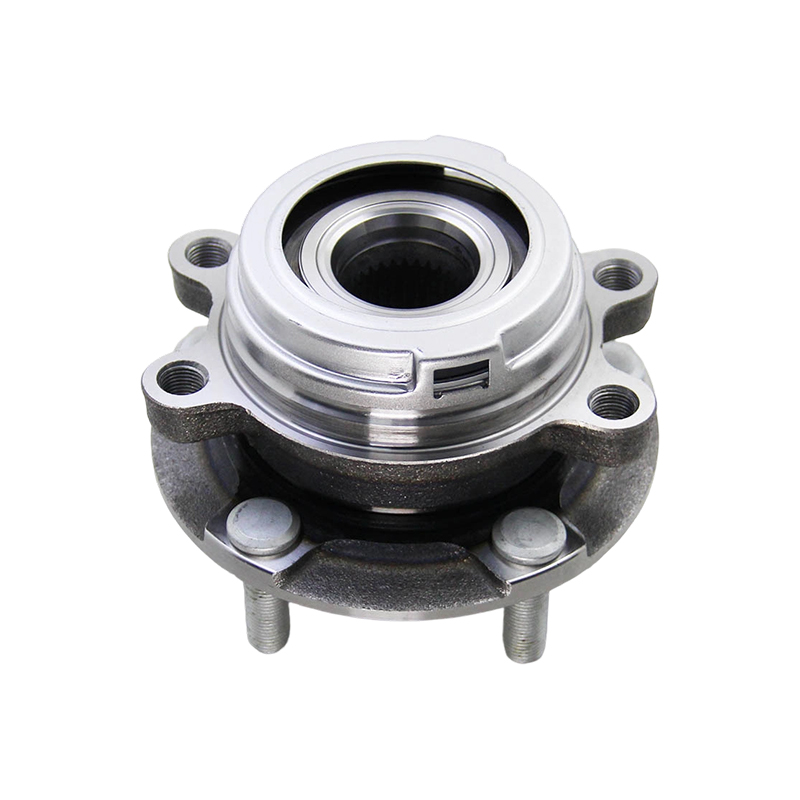
The hub on a wheel is the central part that connects the wheel to the vehicle’s axle. It houses the wheel hub bearings and allows the wheel to rotate with minimal friction while supporting the vehicle’s weight. It also acts as the mounting point for the brake rotor or brake drum and the wheel itself.
Without a properly functioning wheel bearing hub assembly, your ride becomes noisy, unstable, and potentially unsafe. These parts work together to provide seamless motion, absorb shocks, and ensure proper wheel alignment.
What Are Wheel Hub Bearings?
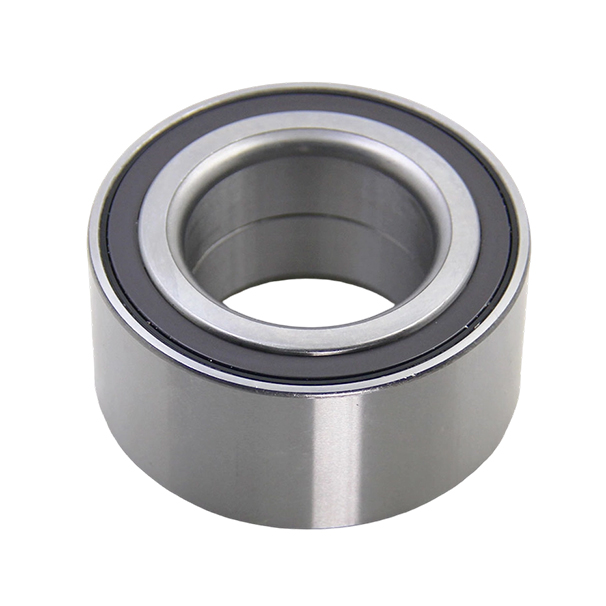
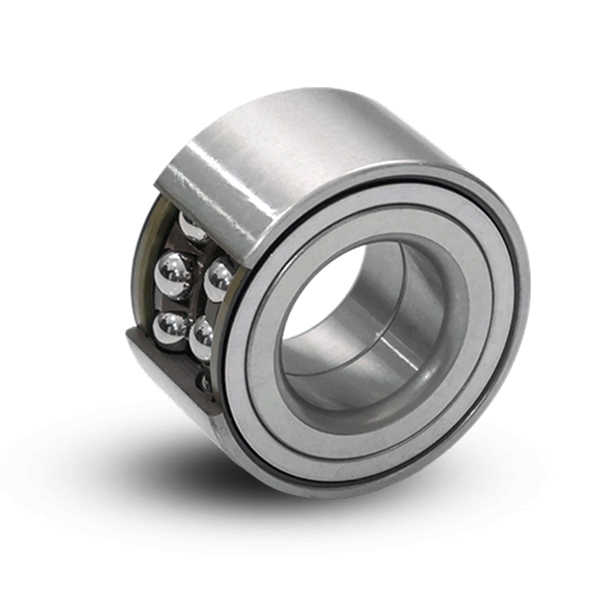
Wheel hub bearings are specialized bearings located within the hub on a wheel. They are engineered to withstand significant radial and axial loads. These bearings are typically composed of:
Inner and outer races
Rolling elements (usually steel balls or tapered rollers)
Seals to keep out dirt and retain lubrication
Wheel hub bearings reduce friction between the wheel and the axle. Without them, your wheel wouldn’t spin freely, and your steering would feel stiff and unresponsive.
The Role of the Wheel Bearing Hub Assembly
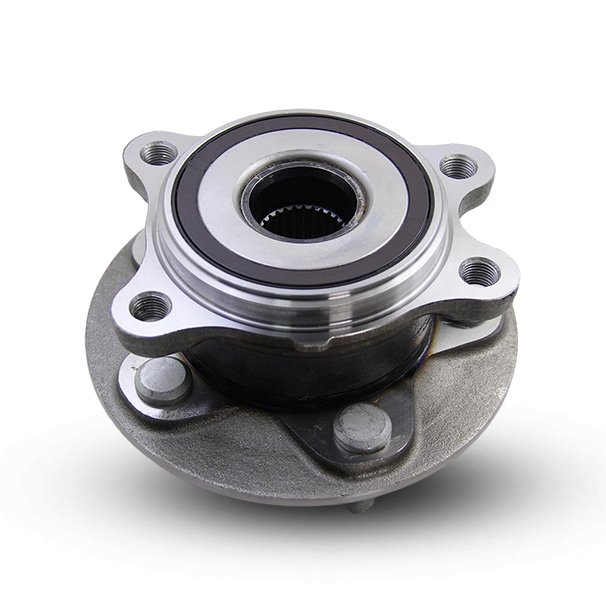
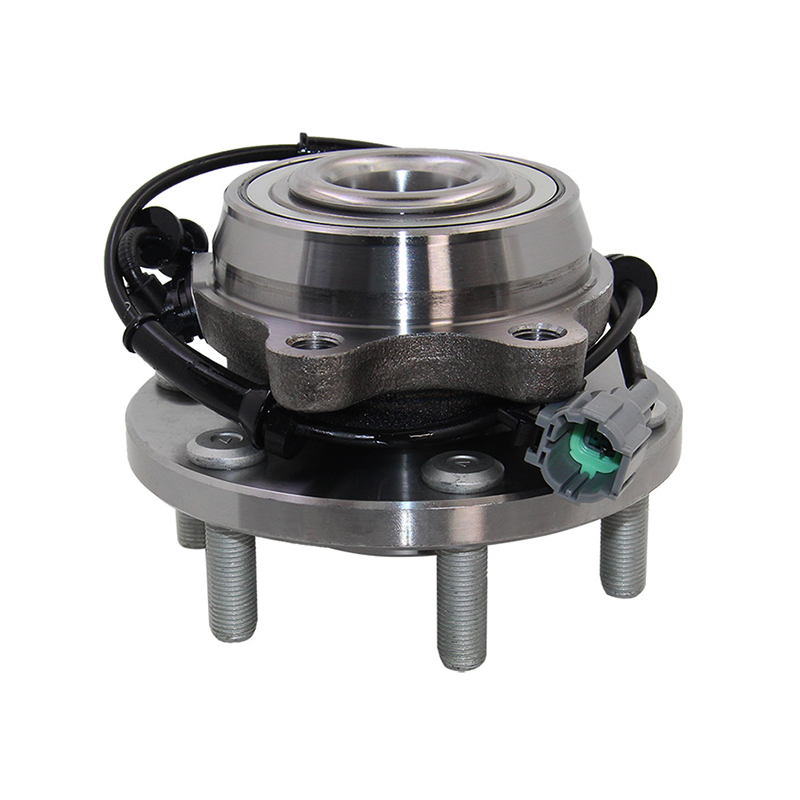
The wheel bearing hub assembly is an all-in-one, pre-assembled unit that includes the bearing, hub, and sometimes ABS sensor integration. It comes sealed from the factory, ready to bolt on with minimal maintenance required.
This assembly supports:
Smooth wheel rotation
Load transfer between suspension and wheels
Consistent wheel alignment
Vibration reduction
Sensor support for modern safety systems
Whether you’re driving through potholes or making tight turns, a solid wheel bearing hub assembly keeps your wheels performing safely and efficiently.
Key Functions of Wheel Hub Bearings
Let’s break down exactly what wheel hub bearings do:
Support weight: The entire weight of your vehicle, passengers, and cargo passes through the bearings.
Enable rotation: They allow the wheel to rotate freely with minimal resistance.
Reduce heat and friction: By rolling instead of sliding, bearings cut down energy loss.
Assist in stability: Proper bearing function keeps steering tight and reduces wobble.
A damaged hub on a wheel can compromise these functions and create dangerous driving conditions.
Signs of a Failing Wheel Hub Bearing
If your wheel hub bearings are worn out or damaged, you’ll notice symptoms such as:
Humming or grinding noises coming from the wheels
Vibration or wobble at higher speeds
Uneven tire wear
ABS system warnings
Increased stopping distance
Ignoring these signs can lead to a catastrophic failure of the wheel bearing hub assembly, resulting in unsafe handling or even a detached wheel.
Recommended Products
 Leave a Message
Tel.: +86 177 8856 2633
E-mail: syb16capper@gmail.com
Address: No. 68, Rongwan Road, Sanjie Town, Shengzhou City, Zhejiang Province, China





 EN
EN
 English