Shuoye Bearing

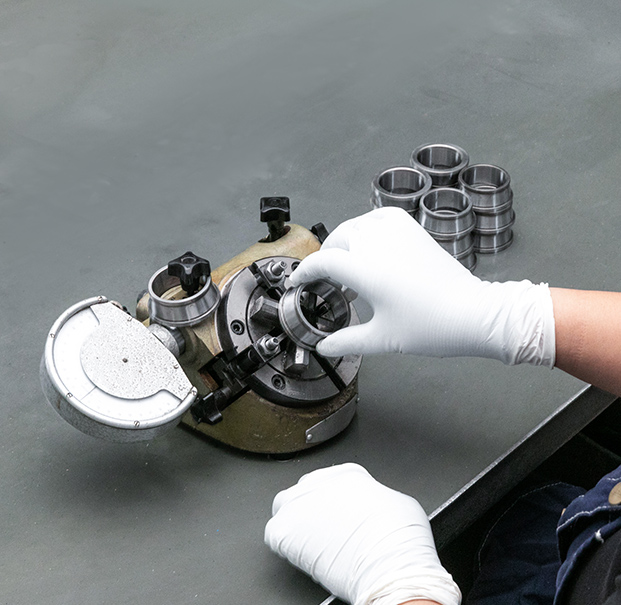
Established in 2004 within Hangzhou, Zhejiang Shuoye Bearing Co., Ltd. has solidified its position as a distinguished wheel hub bearing manufacturer. In 2019, we expanded our footprint with a cutting-edge facility in Sanjie, Shengzhou. Specializing in automotive bearings: roller bearings, ball bearings, and premium wheel hub assemblies, we boast a vast R & D capabilities and has developed over a thousand meticulously crafted bearing types. Our products are exclusively tailored to cater to the intricate needs of... More About Us

Zhejiang Shuoye Bearing Co., Ltd.
  • Zhejiang Shuoye Bearing Co., Ltd.
    0
    Established in
  • Zhejiang Shuoye Bearing Co., Ltd.
    0 millions
    Registered capital
  • Zhejiang Shuoye Bearing Co., Ltd.
    0millions
    Production Capacity
  • Zhejiang Shuoye Bearing Co., Ltd.
    0+
    global impact
Zhejiang Shuoye Bearing Co., Ltd.
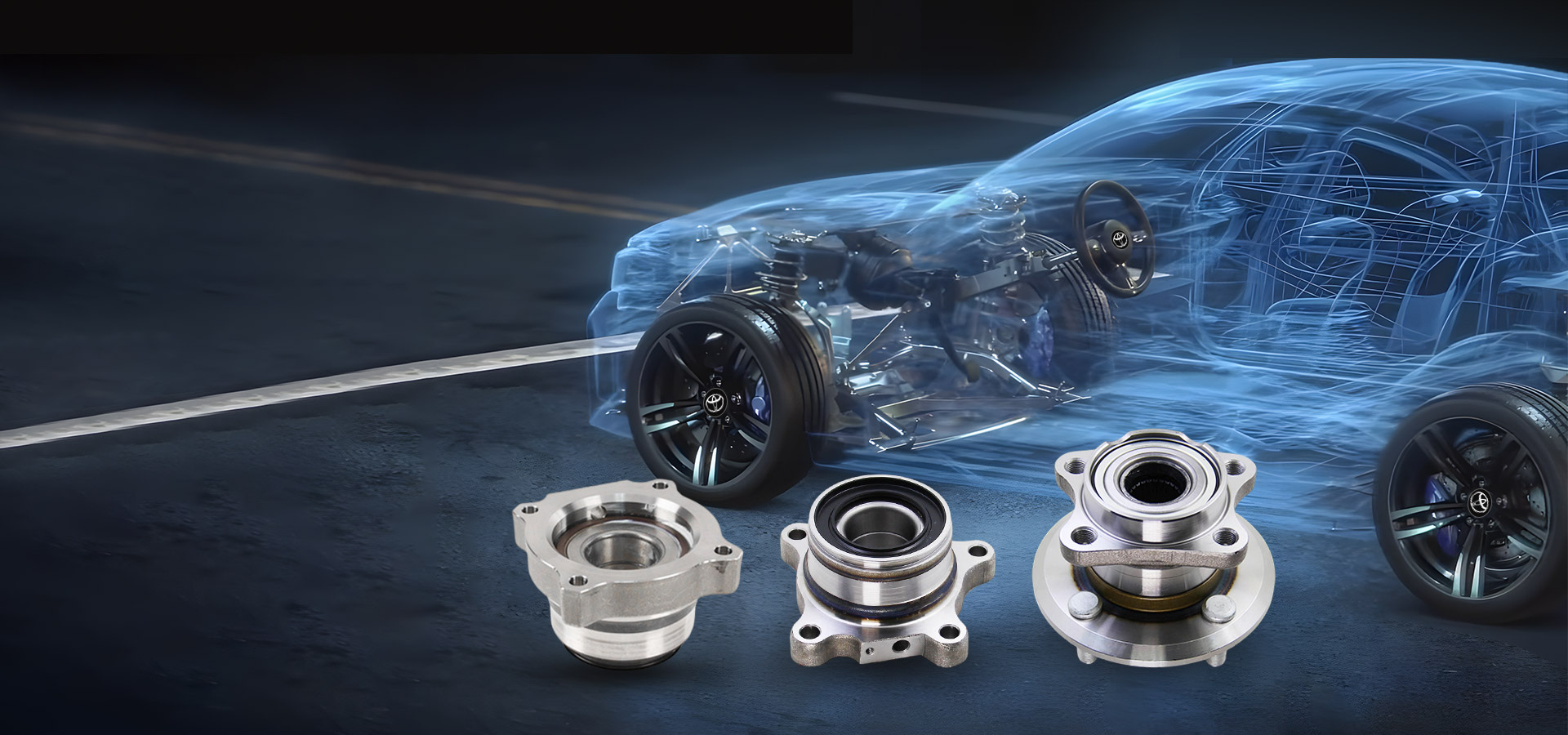
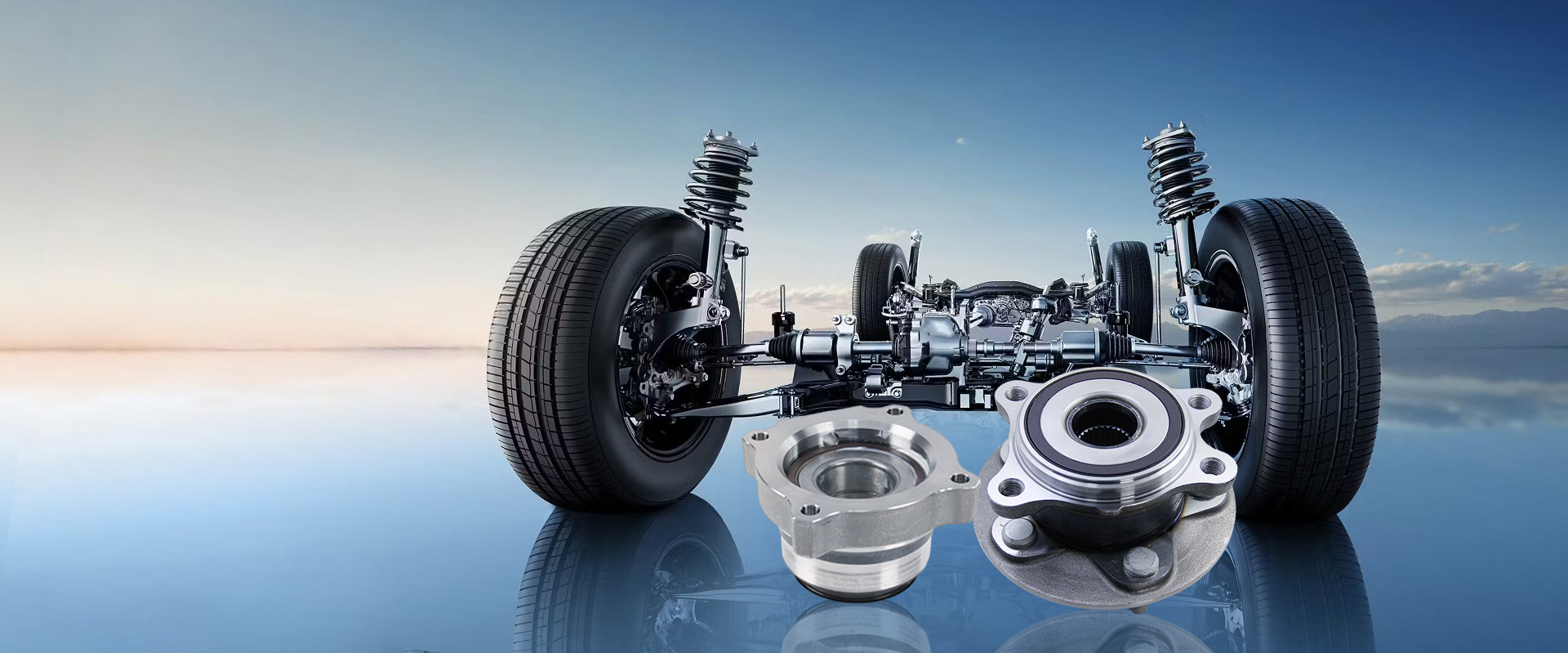
Zhejiang Shuoye Bearing Co., Ltd. Wheel Hub Bearings
Zhejiang Shuoye Bearing Co., Ltd. Wheel Hub Bearing Units
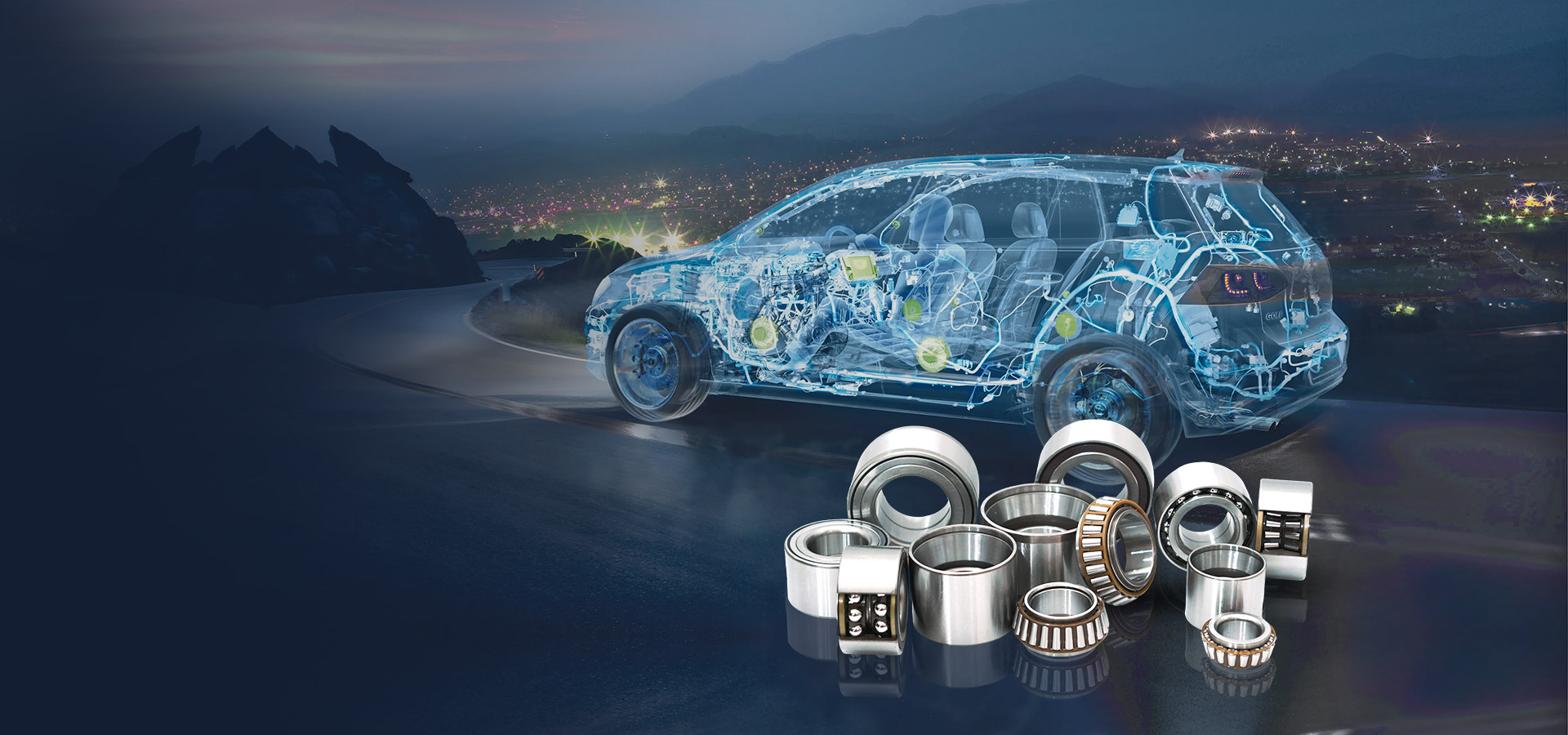
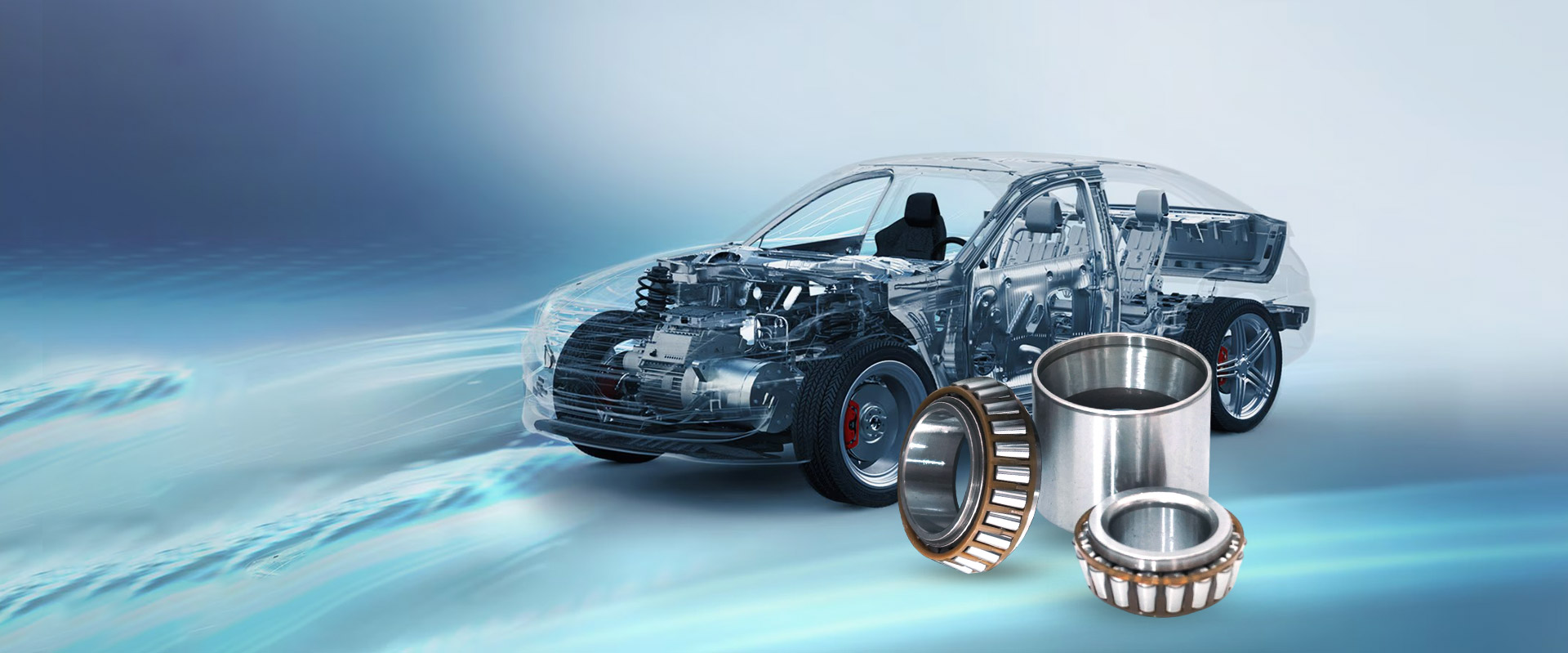
Zhejiang Shuoye Bearing Co., Ltd. Tapered Roller Bearings
Recommended
Products
Product search
Zhejiang Shuoye Bearing Co., Ltd. Wheel Hub Bearings
Zhejiang Shuoye Bearing Co., Ltd. Tapered Roller Bearings
Zhejiang Shuoye Bearing Co., Ltd. Wheel Hub Bearing Units
Zhejiang Shuoye Bearing Co., Ltd. Wheel Hub Bearing
Repair Kits
SYB-036
SYB-036
Application
Wheel hub bearings are widely used in automotive wheel systems to support vehicle weight and ensure smooth wheel rotation.
SYB-001T
SYB-001T
Application
Wheel hub bearings are widely used in automotive wheel systems to support vehicle weight and ensure smooth wheel rotation.
SYB-002
SYB-002
Application
Wheel hub bearings are widely used in automotive wheel systems to support vehicle weight and ensure smooth wheel rotation.
SYB-003
SYB-003
Application
Wheel hub bearings are widely used in automotive wheel systems to support vehicle weight and ensure smooth wheel rotation.
SYB-004T
SYB-004T
Application
Wheel hub bearings are widely used in automotive wheel systems to support vehicle weight and ensure smooth wheel rotation.
SYB-005
SYB-005
Application
Wheel hub bearings are widely used in automotive wheel systems to support vehicle weight and ensure smooth wheel rotation.
SYB-006L
SYB-006L
Application
Wheel hub bearings are widely used in automotive wheel systems to support vehicle weight and ensure smooth wheel rotation.
SYB-006R
SYB-006R
Application
Wheel hub bearings are widely used in automotive wheel systems to support vehicle weight and ensure smooth wheel rotation.
SYB-008
SYB-008
Application
Wheel hub bearings are widely used in automotive wheel systems to support vehicle weight and ensure smooth wheel rotation.
SYB-009L
SYB-009L
Application
Wheel hub bearings are widely used in automotive wheel systems to support vehicle weight and ensure smooth wheel rotation.
SYB-009R
SYB-009R
Application
Wheel hub bearings are widely used in automotive wheel systems to support vehicle weight and ensure smooth wheel rotation.
SYB-010
SYB-010
Application
Wheel hub bearings are widely used in automotive wheel systems to support vehicle weight and ensure smooth wheel rotation.
Zhejiang Shuoye Bearing Co., Ltd.
Rich Industry Experience
Since establishment in 2004, Shuoye Bearing has been deeply involved in the wheel hub bearing field for nearly two decades and has established a solid industry position.
The construction of a new factory in 2019 marks a strategic upgrade in the company's production capacity and manufacturing capabilities.
Zhejiang Shuoye Bearing Co., Ltd.
Strong R&D Capabilities
Shuoye Bearing possesses outstanding R&D capabilities and has successfully developed over a thousand types of bearings, enabling it to precisely meet the complex needs of the automotive industry and provide comprehensive solutions from standard parts to customized assemblies, becoming a reliable one-stop supplier for its customers.
Zhejiang Shuoye Bearing Co., Ltd.
High-quality & Reliability
Shuoye Bearing have obtained ISO 9001 quality management system certification and strictly adhere to strict production standards.
We also offer a comprehensive one-year warranty, a testament to the resilience and reliability inherent in our products. Its products are renowned worldwide for their precision, durability, and reliability, and have become an important part of the global automotive industry chain.
Zhejiang Shuoye Bearing Co., Ltd.
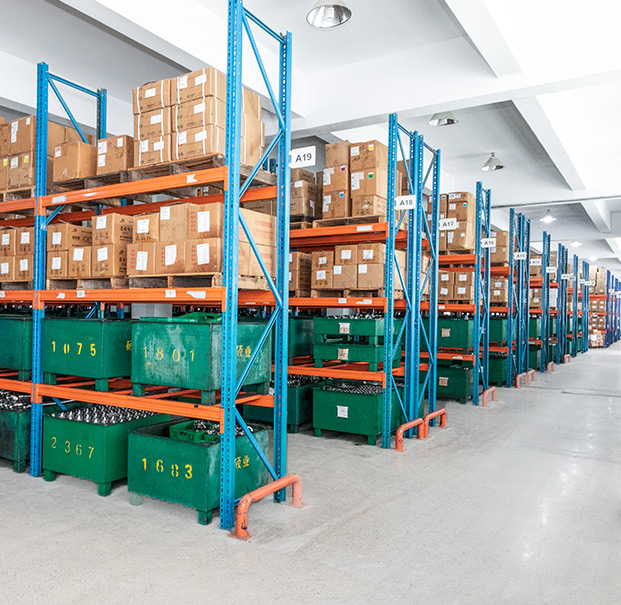
Sufficient Product Inventory
Shuoye Bearingis not only committed to product research and manufacturing, but also has built an efficient supply chain and strategic inventory system based on advanced Zhuji factories.
Establishing a large and diverse inventory allows us to provide customers with more flexible procurement plans and respond to their rapid demands.
Why Choose
Shuoye Bearing?
News Center
Stay informed about company news and keep abreast of industry trends
Mar 03, 2025
The different types of wheel hub bearings

Introduction

Wheel hub bearings are a crucial component of any vehicle, affecting its smoothness of ride, safety, and overall performance. Choosing the right type of bearing can be challenging, especially given the variety of options available on the market. In this article, we will introduce different types of wheel hub bearings, discuss their advantages and disadvantages, and provide recommendations on which bearing to choose depending on the application.

Types of Wheel Hub Bearings
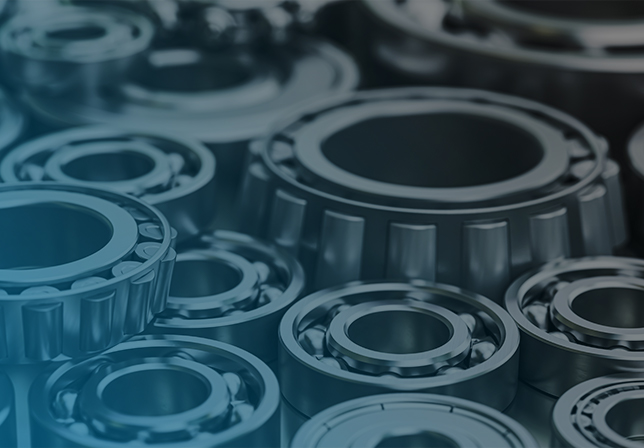
1. Ball Bearings
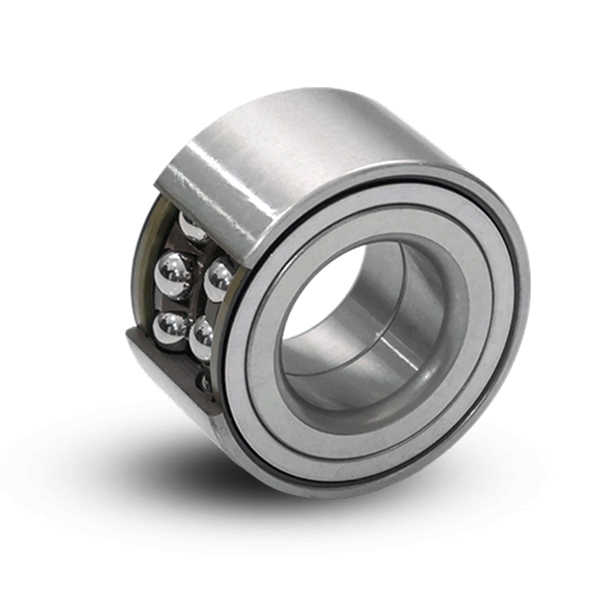
Ball bearings are the most commonly used type of wheel hub bearings. They consist of balls placed between an inner and outer ring.

Advantages:

Low friction coefficient, resulting in a smooth ride.
Long lifespan with proper maintenance.
Easy to install and remove.
Disadvantages:

Limited ability to carry large axial loads.
Sensitivity to contamination and moisture.
Recommendations:
Ball bearings are ideal for passenger cars and light vehicles that mainly travel on well-maintained roads.

2. Tapered Roller Bearings
Tapered roller bearings are designed to handle both axial and radial loads. They consist of inner and outer rings with tapered rollers in between.

Advantages:

High capacity to carry large loads.
Stability at high speeds.
Resistance to shock loads.
Disadvantages:

Higher friction coefficient compared to ball bearings.
Require precise alignment during installation.
Recommendations:
Tapered roller bearings are an excellent choice for trucks, SUVs, and off-road vehicles that often travel on rough surfaces.

3. Cylindrical Roller Bearings
Cylindrical roller bearings contain cylindrical rolling elements placed between two rings. They are designed to carry large radial loads.

Advantages:

High radial load capacity.
Resistance to deformation under heavy loads.
Low energy loss.
Disadvantages:

Unsuitable for carrying axial loads.
Require precise lubrication to avoid overheating.
Recommendations:
Cylindrical roller bearings are best suited for heavy-duty vehicles and industrial machinery where durability under large loads is a priority.

4. Needle Roller Bearings
Needle roller bearings feature very thin, long rollers that increase the contact surface with the rings.

Advantages:

Compact size with high load capacity.
Low weight.
Excellent ability to carry radial loads.
Disadvantages:

Limited ability to carry axial loads.
Require precise lubrication.
Recommendations:
Needle roller bearings are ideal for applications where space is limited, such as motorcycles and small urban vehicles.

Which Wheel Hub Bearing to Choose?
Choosing the right wheel hub bearing depends on several key factors:

Type of vehicle: Passenger cars work best with ball bearings, while trucks and SUVs require tapered roller bearings.
Driving conditions: For driving in harsh off-road conditions, tapered roller bearings or cylindrical roller bearings are recommended as they better withstand shock loads and rough terrain.
Maintenance frequency: If minimizing maintenance frequency is a priority, ball bearings are preferable due to their longevity and ease of maintenance.
Mounting space: In cases of limited space, such as in motorcycles or small city cars, needle roller bearings are the best option.

Conclusion
Choosing the right wheel hub bearing is crucial for ensuring optimal performance and safety of the vehicle. Each type of bearing has its unique advantages and disadvantages that should be considered when making a choice. Ball bearings, tapered roller bearings, cylindrical roller bearings, and needle roller bearings each have specific characteristics that make them suitable for different applications. Careful analysis of your vehicle’s needs and operating conditions will help you make the right decision.

Remember, regular maintenance and timely replacement of bearings contribute to the extended lifespan of your vehicle and ensure its safe operation.

Mar 03, 2025
Installation and usage of the vehicle wheel hub bearings

Please pay attention to the following matters in the use and installation of wheel hub bearings:

1. To ensure maximum safety and reliability, it is recommended that you regularly check the wheel hub bearings regardless of the age of the vehicle - paying attention to early warning signals of bearing wear, including any friction noise during rotation or abnormal deceleration of the suspension combination wheels during turning. For Rear Wheel Drive vehicles, it is recommended to lubricate the front wheel hub bearings when the vehicle has traveled 38000 kilometers. When replacing the brake system, check the bearings and replace the oil seal.

2. If you hear noise coming from the hub bearing area, the first thing is to identify the location where the noise is occurring. Many moving parts may produce noise, and it is also possible that some rotating parts have come into contact with non-rotating parts. If it is confirmed that the noise is from the bearing, the bearing may be damaged and needs to be replaced.

3. Because the working conditions for bearing failure on both sides caused by the front wheel hub are similar, even if only one bearing is damaged, it is recommended to replace it in pairs.

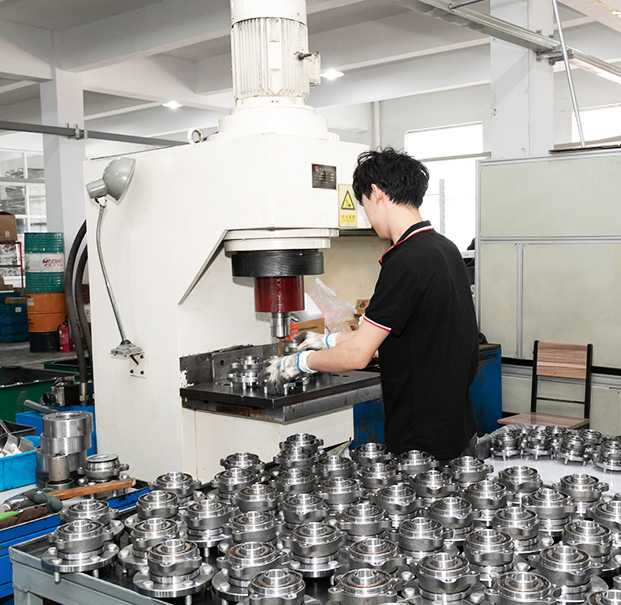
4. Wheel hub bearings are sensitive and require the correct method and appropriate tools in any situation. During storage, transportation, and installation, the components of the bearings must not be damaged. Some bearings require significant pressure to be pressed in, so specialized tools are needed. Be sure to refer to the car manufacturing manual.

5. When installing bearings, they should be in a clean and tidy environment, as small particles entering the bearings can also shorten their service life. It is very important to maintain a clean environment when replacing bearings. Do not use a hammer to strike the bearing, and be careful not to drop the bearing on the ground (or handle it improperly). Before installation, the condition of the shaft and bearing seat should also be checked, as even minor wear can lead to poor fit and early failure of the bearings.

6. Do not attempt to disassemble the hub bearing unit or adjust the sealing ring of the hub unit, as this may damage the sealing ring and allow water or dust to enter. Even the sealing ring and the raceway of the inner ring are damaged, causing permanent failure of the bearing.

Mar 03, 2025
What happens when the wheel hub bearing is damaged in vehicle

When one of the four wheel hub bearings of the vehicle is damaged, you will hear a continuous buzzing sound inside the car while driving. It is unclear where this sound originates, and it seems that the entire cabin is filled with a buzzing noise. The sound becomes louder as the vehicle's speed increases. Here is the method of judgment:

Method 1: Open the car window and listen for the sound coming from outside the car;   

Method 2: After increasing the vehicle speed (when there is a loud buzzing sound), shift the gear to neutral and let the vehicle slide. Observe whether the noise comes from the engine. If the buzzing sound does not change when sliding in neutral, there is likely a problem with the wheel bearings.

Method 3: Temporarily stop the car and get off to check if the temperature of the wheel axle is normal. The method is to touch each of the four wheel hubs with your hand and roughly feel if their temperatures are consistent (when the brake shoe and pad clearance are normal, there is a temperature difference between the front and rear wheels, and the front wheel should be higher). If the difference is not significant, continue driving slowly to the repair station;  

Method 4: Use a lift to lift the car (previously release the handbrake and shift to neutral). If there is no lift, use a jack to lift each wheel one by one, and manually rotate each of the four wheels quickly. When encountering a problematic axle, it will produce a distinct sound, unlike any other axle. This method can easily distinguish which axle has a problem.   

If the wheel hub bearing is severely damaged with cracks, pitting, or erosion, it must be replaced. Before installing a new bearing, apply lubricating grease first, and then reinstall it in reverse order. The replaced bearing must rotate flexibly without any impurities or vibrations.

Mar 03, 2025
What Are Wheel Hub Bearings And How Do They Work?

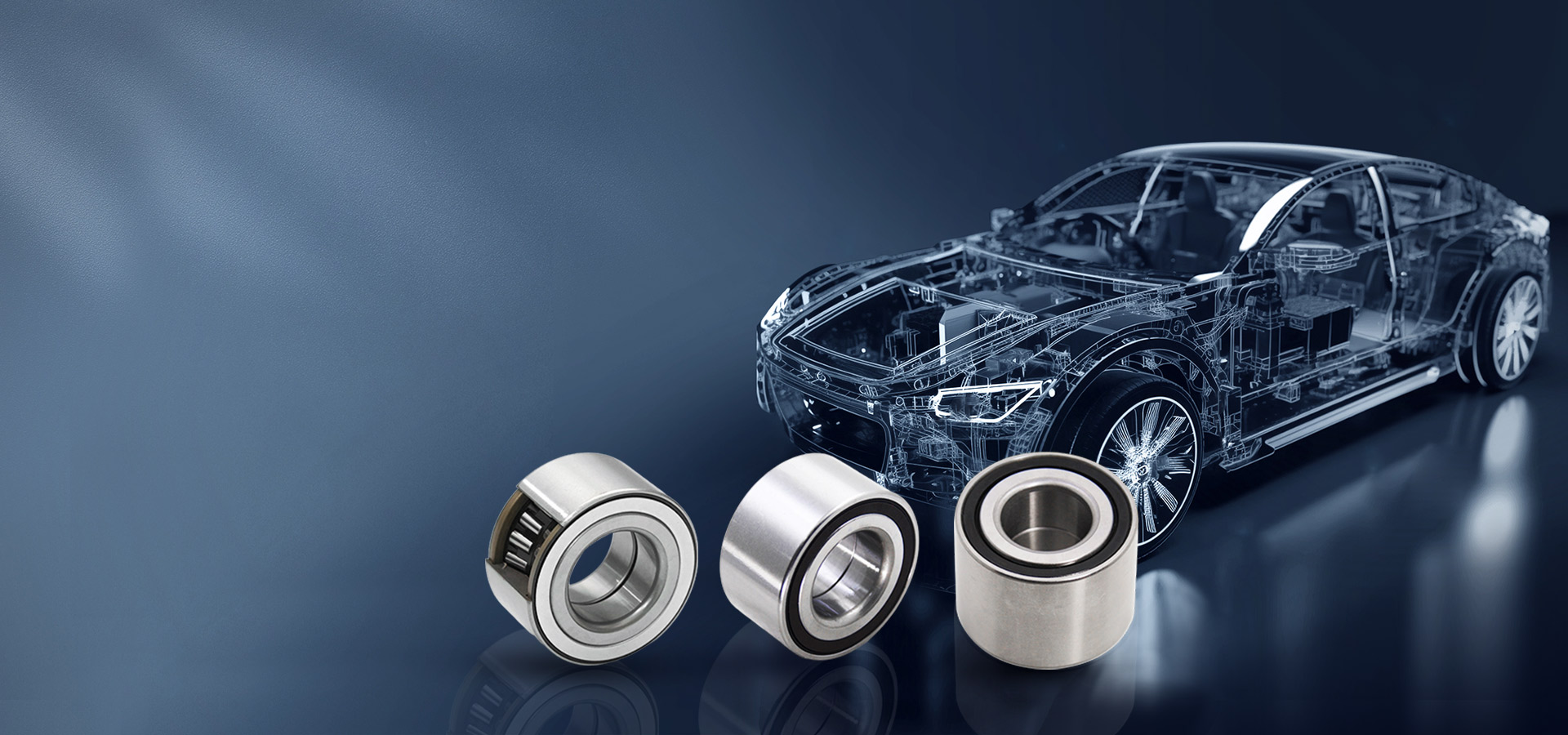
When you’re talking about vehicle performance, safety, and ride smoothness, the hub on a wheel, the wheel hub bearings, and the wheel bearing hub assembly are often overlooked—but they’re essential. These components play a critical role in how your wheels spin, how the car handles loads, and how well your vehicle stays aligned over time. In this article, we’ll break down what they are, how they work, and why they matter more than you might think. Know More

Understanding the Hub on a Wheel
The hub on a wheel is the central part that connects the wheel to the vehicle’s axle. It houses the wheel hub bearings and allows the wheel to rotate with minimal friction while supporting the vehicle’s weight. It also acts as the mounting point for the brake rotor or brake drum and the wheel itself.

Without a properly functioning wheel bearing hub assembly, your ride becomes noisy, unstable, and potentially unsafe. These parts work together to provide seamless motion, absorb shocks, and ensure proper wheel alignment.

What Are Wheel Hub Bearings?
Wheel hub bearings are specialized bearings located within the hub on a wheel. They are engineered to withstand significant radial and axial loads. These bearings are typically composed of:

Inner and outer races
Rolling elements (usually steel balls or tapered rollers)
Seals to keep out dirt and retain lubrication
Wheel hub bearings reduce friction between the wheel and the axle. Without them, your wheel wouldn’t spin freely, and your steering would feel stiff and unresponsive.

The Role of the Wheel Bearing Hub Assembly
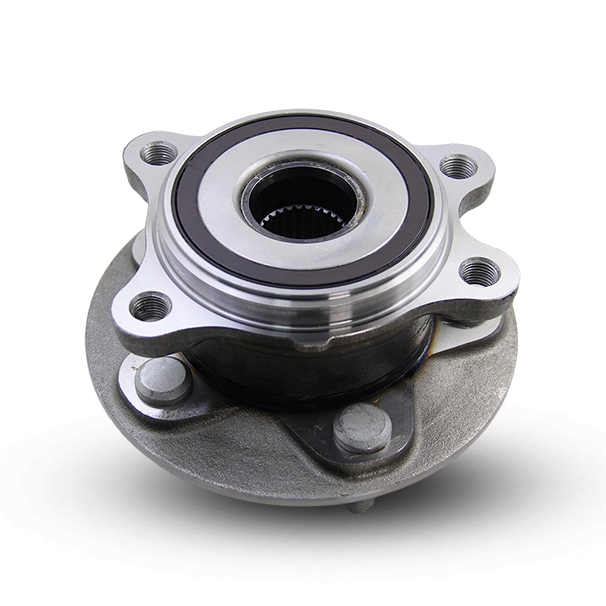
The wheel bearing hub assembly is an all-in-one, pre-assembled unit that includes the bearing, hub, and sometimes ABS sensor integration. It comes sealed from the factory, ready to bolt on with minimal maintenance required.

This assembly supports:

Smooth wheel rotation
Load transfer between suspension and wheels
Consistent wheel alignment
Vibration reduction
Sensor support for modern safety systems
Whether you’re driving through potholes or making tight turns, a solid wheel bearing hub assembly keeps your wheels performing safely and efficiently.

Key Functions of Wheel Hub Bearings
Let’s break down exactly what wheel hub bearings do:

Support weight: The entire weight of your vehicle, passengers, and cargo passes through the bearings.
Enable rotation: They allow the wheel to rotate freely with minimal resistance.
Reduce heat and friction: By rolling instead of sliding, bearings cut down energy loss.
Assist in stability: Proper bearing function keeps steering tight and reduces wobble.
A damaged hub on a wheel can compromise these functions and create dangerous driving conditions.

Signs of a Failing Wheel Hub Bearing
If your wheel hub bearings are worn out or damaged, you’ll notice symptoms such as:

Humming or grinding noises coming from the wheels
Vibration or wobble at higher speeds
Uneven tire wear
ABS system warnings
Increased stopping distance
Ignoring these signs can lead to a catastrophic failure of the wheel bearing hub assembly, resulting in unsafe handling or even a detached wheel.