NEWS
 2025.03.03
 Industry News
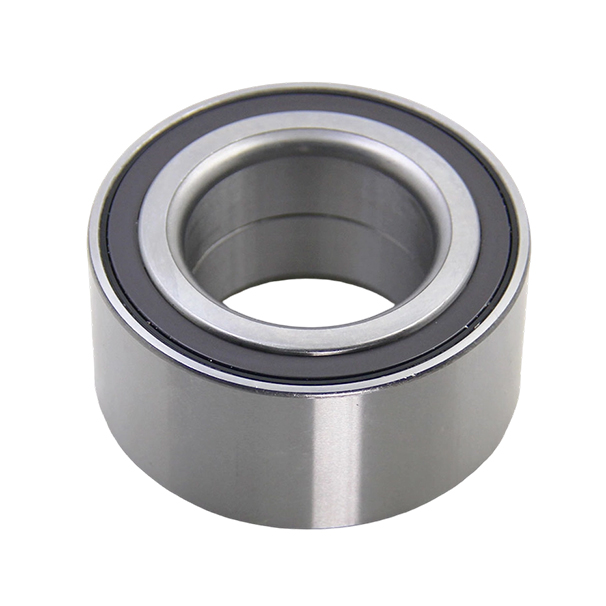
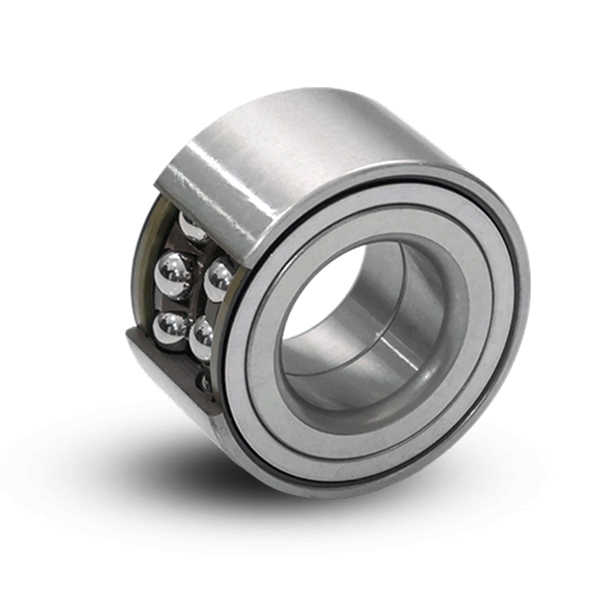
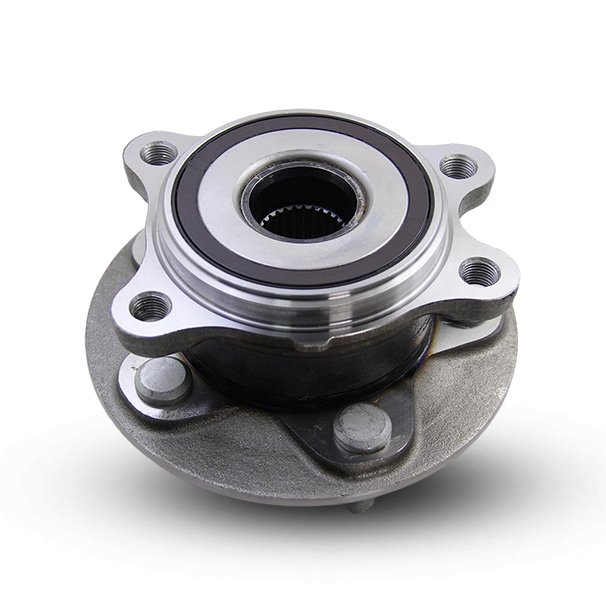
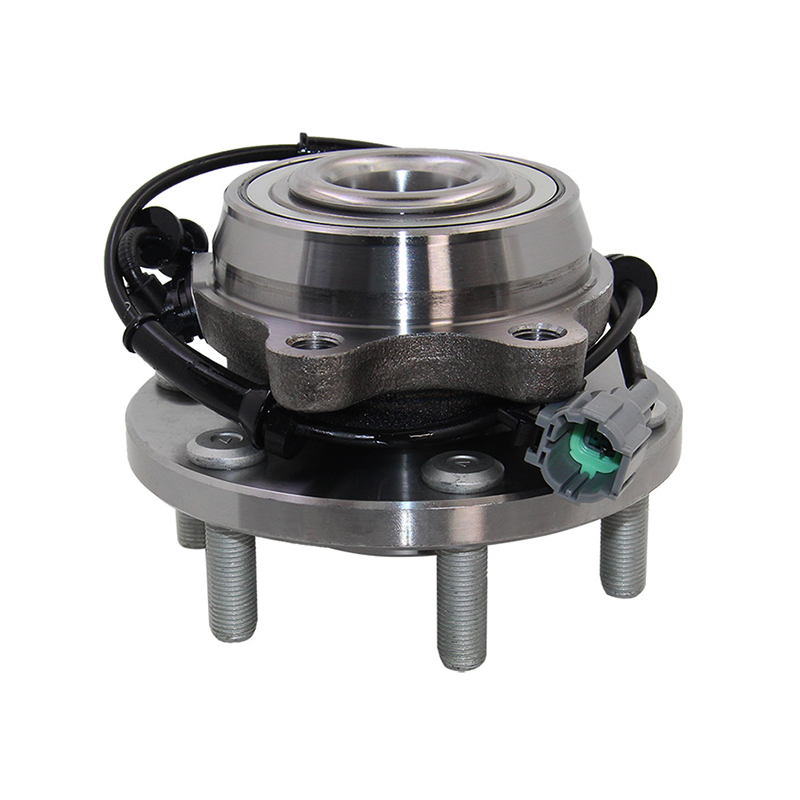
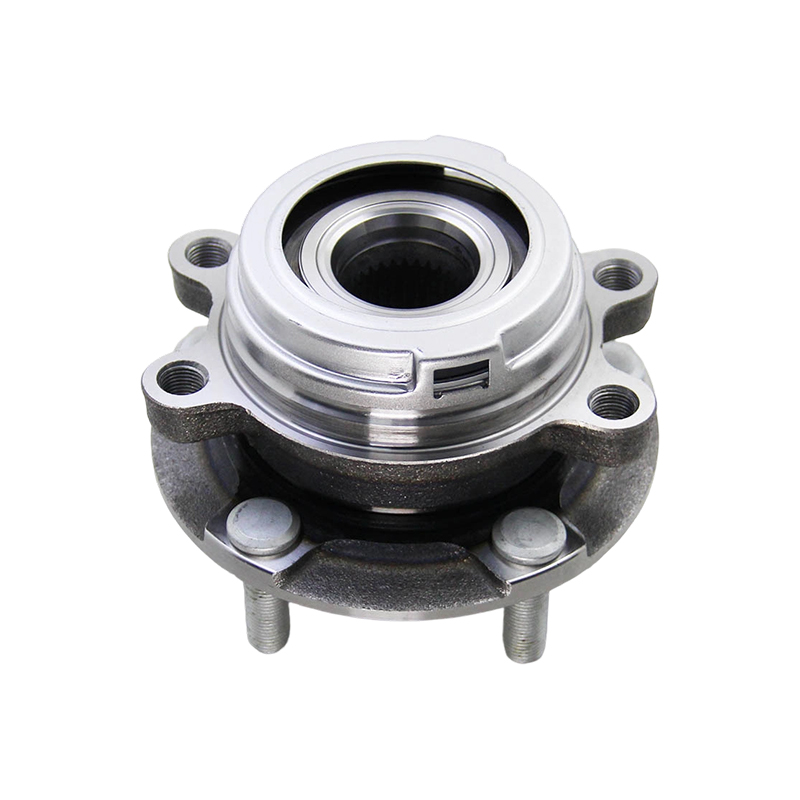
When one of the four wheel hub bearings of the vehicle is damaged, you will hear a continuous buzzing sound inside the car while driving. It is unclear where this sound originates, and it seems that the entire cabin is filled with a buzzing noise. The sound becomes louder as the vehicle's speed increases. Here is the method of judgment:
Method 1: Open the car window and listen for the sound coming from outside the car;
Method 2: After increasing the vehicle speed (when there is a loud buzzing sound), shift the gear to neutral and let the vehicle slide. Observe whether the noise comes from the engine. If the buzzing sound does not change when sliding in neutral, there is likely a problem with the wheel bearings.
Method 3: Temporarily stop the car and get off to check if the temperature of the wheel axle is normal. The method is to touch each of the four wheel hubs with your hand and roughly feel if their temperatures are consistent (when the brake shoe and pad clearance are normal, there is a temperature difference between the front and rear wheels, and the front wheel should be higher). If the difference is not significant, continue driving slowly to the repair station;
Method 4: Use a lift to lift the car (previously release the handbrake and shift to neutral). If there is no lift, use a jack to lift each wheel one by one, and manually rotate each of the four wheels quickly. When encountering a problematic axle, it will produce a distinct sound, unlike any other axle. This method can easily distinguish which axle has a problem.
If the wheel hub bearing is severely damaged with cracks, pitting, or erosion, it must be replaced. Before installing a new bearing, apply lubricating grease first, and then reinstall it in reverse order. The replaced bearing must rotate flexibly without any impurities or vibrations.
Recommended Products

 Leave a Message
Tel.: +86 177 8856 2633
E-mail: syb16capper@gmail.com
Address: No. 68, Rongwan Road, Sanjie Town, Shengzhou City, Zhejiang Province, China





 EN
EN
 English